Planning submitted for two New Forest homes

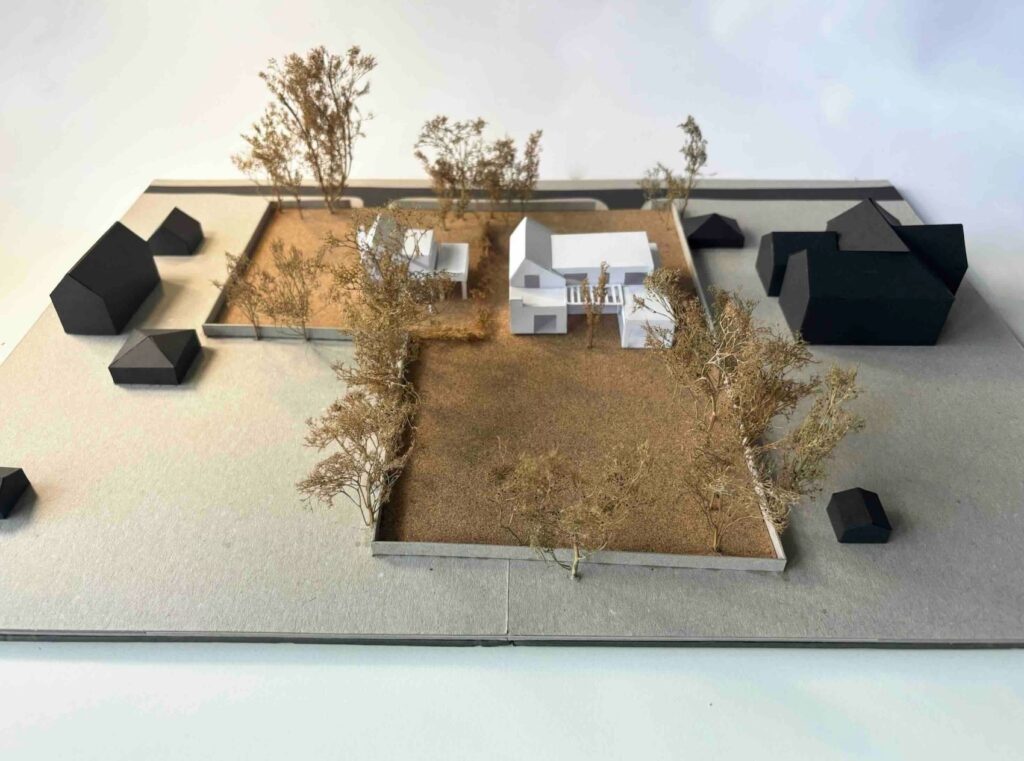
We have recently submitted planning permission for two new contemporary homes in the village of Brockenhurst, in the New Forest.

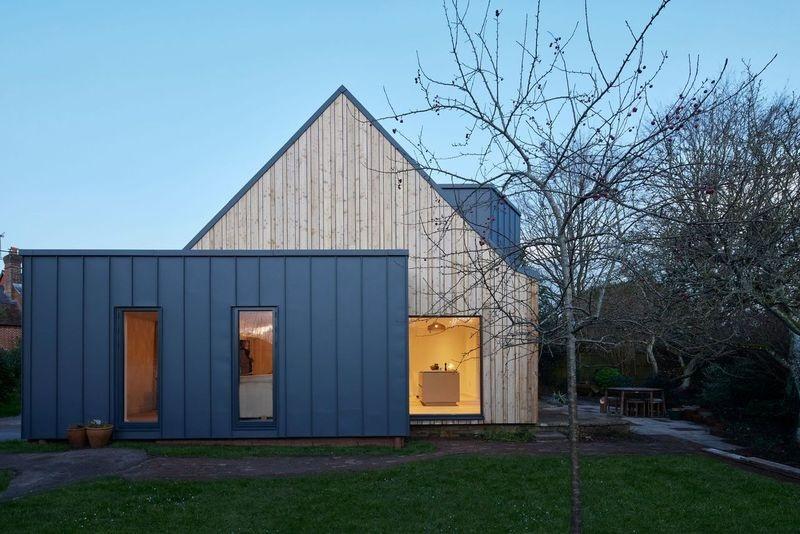
Paddock House and Paddock Garden will deliver two new independent homes. Paddock Homes is a replacement dwelling, delivering a low energy five bedroom family house. Paddock Gardens is a smaller new build, maximising the potential of the adjacent, and underused paddock field, to deliver a three bedroom home.

Our design responds to the rural setting, while also have carefully considered the plot ratios of neighbouring village homes in order to deliver contemporary, sustainable homes that are balanced and appropriate for the New Forest context, while also reaching the full potential of the site.

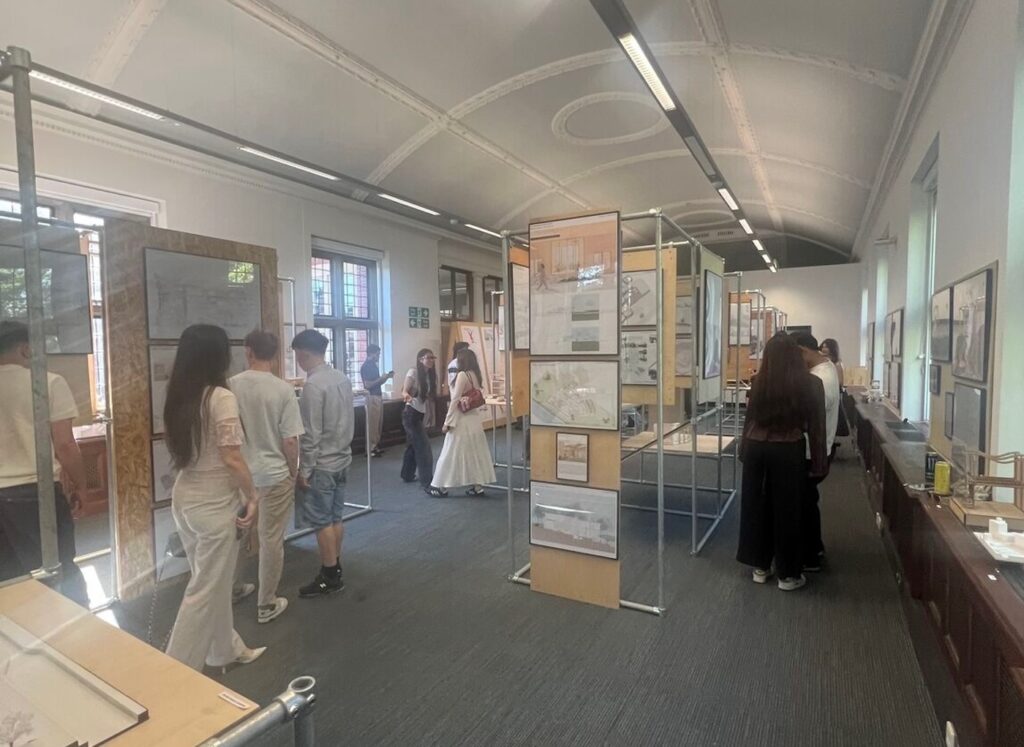
South Coast Property Roundtable

Following on from our win of Architectural Practice of the Year at this years South Coast Property Awards, Darren was invited to participate in a round table discussion last week, with the other winners from this year’s awards.

The open discussion looked at opportunities and challenges we all face within the vibrant property sector across the south coast, including changes to the planning process, opportunities within the commercial sector to encourage staff back into the office, and how to make full use of technology to increase efficiency.

The organisers are looking to write a full report on the discussions, which we hope to share soon.

Building Regulations Article

Darren was recently invited by Ideal Home Magazine to share his expert advice about meeting building regulations for an extension. His article covers which building regulations might apply to extensions, if you might need just a building notice or full planning application, if it is possible to build an extension without building regulations and what other permissions you might need for building an extension.

Which Building Regs apply to extensions?

Building Regulations are need for all building work, these are legally binding requirements that ensure all construction work meets regulatory standards for safety, energy efficiency and accessibility and is fit for purpose.

Depending on the scope of the extension you might need to get Planning Permission before you start work. This applies if the project is a significant addition or alternation, it affects the external appearance or if the property is listed or in a conservation area.

Permitted Development is often an option for smaller extensions that meet specific criteria and don’t need Planning Permission. These are usually minor changes like adding a small conservatory or extending a kitchen. However, this can vary depending on the location and type of property so it is always best to double check with your local authority before you start work.

If you live in a terrace property, or want to build onto a neighbour’s adjoining wall, you will need to get a Party Wall Agreement in place. This ensures that both you and your neighbour are aware of and agree to the work, protecting both parties’ interests and addressing any potential disputes.

Do you need a Building Notice or full plans application?

This largely depends on the complexity of a scheme. For a larger, more arduous project we would always suggest you apply for a full planning application, as this route is a more detailed approach. As part of the submission, you include full architectural drawings, specifications and other documentation specific to the scheme. This careful approach ensures everything is pre-approved, reducing any risk of potential issues or costly changes later on in the build.

Building Notice is a simplified route, with only the essential details getting submitted. This can allow for flexibility during the build and can allow you to get started onsite quicker. However, during the construction phase the Building Control Officers would regularly conduct on-site inspections and recommendations which could involve additional unexpected changes as there are no set detailed plans in place. This route can work well for smaller, less complex projects.

Is it possible to build an extension without Building Regs?

No, it might be possible to build an extension without planning permission but not without building regulations as these are legal binding requirement in place to ensure the construction work meets regulatory standards and the building and fixtures are fit for purpose.

Building regulations apply to almost all types of building work, from small porches, a loft conversion or a large rear extension, they all must meet the minimum standards. If you go ahead without these necessary approvals in place, your local council could require you to remove it, or rebuild it to the meet the standards, it would also complicate a future sale of your property.

What other permissions or approvals do you need to build an extension?

Depending on the work needed and the property you are extending, there might be some other approvals you need to get in place before starting work.

When working on a listed building, any alterations—including extensions—require Listed Building Consent from the local planning authority. Listed buildings are protected for their historical and architectural significance, and any changes need to preserve their integrity. Doing work without this consent can lead to serious consequences, including fines or criminal charges.

If you don’t own the freehold of the property, such as in a leasehold arrangement, you must get Freehold Consent from the freeholder or landlord to clarify everything before proceeding with the extension. Lease agreements can have clauses that restrict modifications, so it’s crucial to carefully review the lease. This consent ensures you are legally allowed to make changes to the property, including building or extending.

A Party Wall Agreements are needed when the work involves a shared wall, fence or structure, often found with terrace or semi-detached properties. This agreement outlines how the work will be carried out, including when access is required and any potential impacts on the neighbour’s property. It protects both parties and can help avoid future disputes. If there’s no agreement in place and work starts, you may face legal action, especially if the work causes damage or encroachment on the neighbouring property.

Finally, we would always recommend using approved building inspectors for your project, as we often find this route is quicker, easier and better value for money.


The full article can be found here, or get in touch if you want to speak to the team directly about your extension project.

April Practice Update

With the start of the second quarter we wanted to take an opportunity to briefly share a practice update some of our project news,  thoughts and advice.

Regency Villa Starts Onsite

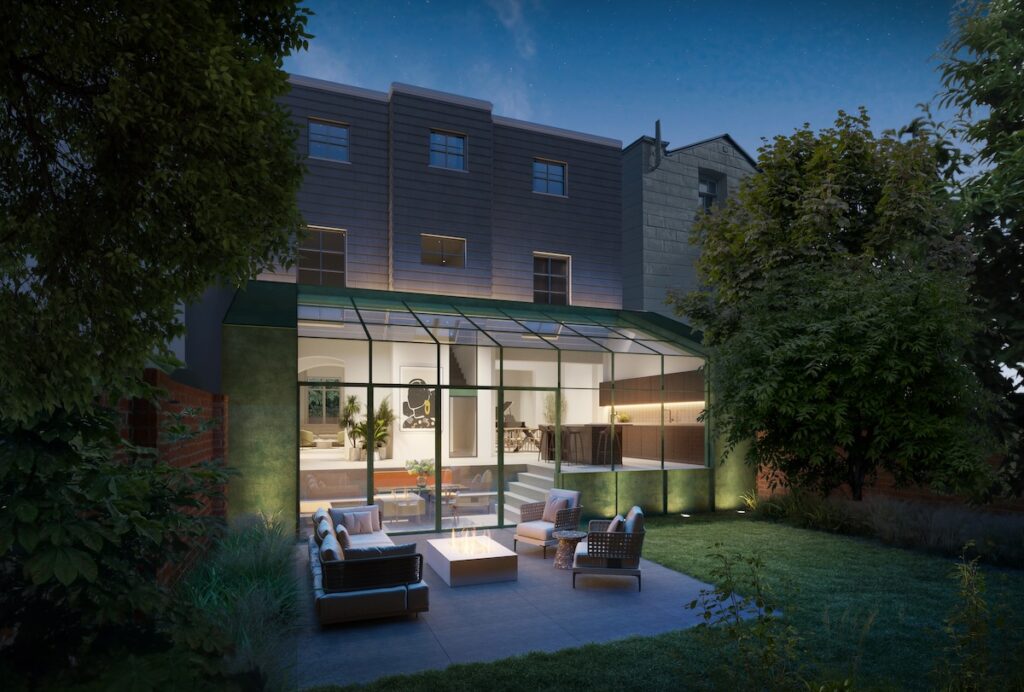
Work has started on the Regency Villa, a Grade II Listed townhouse in central Southampton. Our design will sympathetically refurbish,extend and reimagine this beautiful period property, to create a wonderful family home.

The four-storey listed townhouse had previously been subdivided into a House of Multiple Occupancy (HMO), our project strips back the modern and out of place additions, to restore the home back into a a stunning single dwelling.

The design will deliver a scheme that enhances the rich, historic personality of the original dwelling, upgrading the energy efficiency of the property, to create a functional and joyful home for the owners and their young family.

You can find full project details here.

How to Start a Self-Build Project.

If you are thinking of starting a self-build project, we understand that it can often feel daunting.

The team here at Studio BAD have over 50 years’ collective architectural experience, designing self-build houses and extensions. We are perfectly placed to help you understand the process and have recently answered some key FAQ’s on this topic to help you get your project started.

You can read the full article here.

Planning secured in National Park

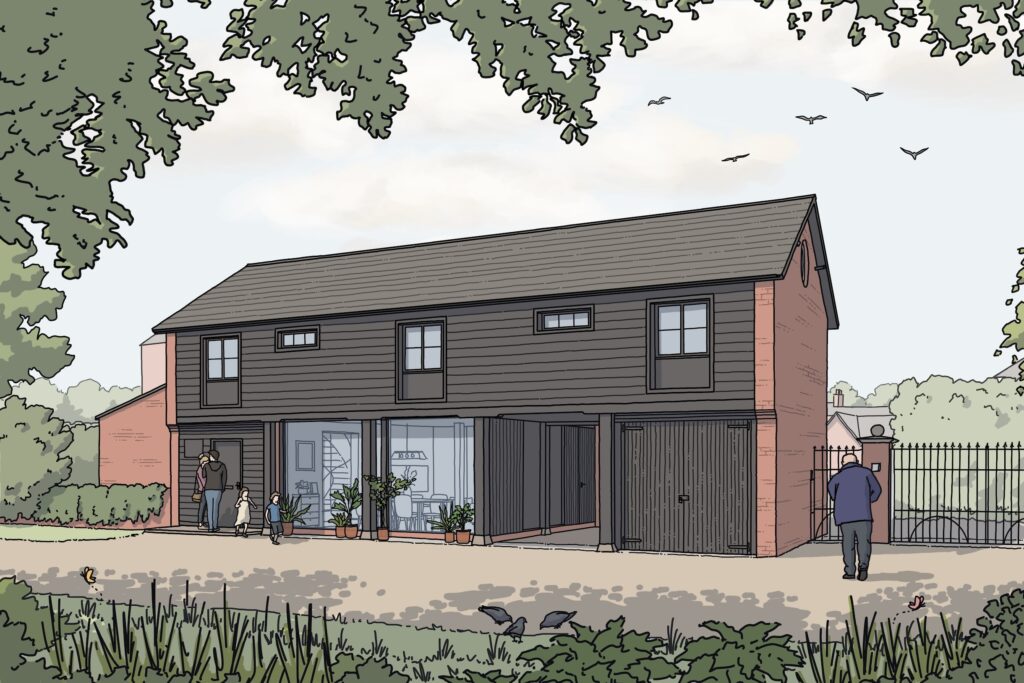
We are thrilled to have secured planning for The Granary, a beautiful heritage building set within the New Forest National Park, and also located within listed building curtilage.

The interesting scheme converts and infills an existing open carport space. Our design has places an emphasis on celebrating the original character of the building, highlighted through contemporary interventions.

You can find full project details here.


To join our mailing list for monthly practice updates, please contact us directly at darren@studiobad.co.uk

Planning success

We are pleased to have secured planning for a new Girl Guides Hall for the Portswood area of Southampton, Hampshire. Our sensitive design will create a new hub for the local Guides Association, to enable them to promote outdoor based actives for young people in the city, on the site of a previously demolished hall.

We now look forward to working with the client to secure funding and deliver this wonderful building in the heart of the City, you can read full details about the project here.