The Value of 3D Models in the Architectural Design Process

With the rise of AI-generated imagery, powerful new tools are becoming increasingly accessible for communicating architectural ideas. While these technologies offer exciting opportunities to visualise a design, we continue to find that traditional physical models can be far more valuable during the architectural design process itself.

Over the past few months, we’ve been fortunate to welcome Oliver to the studio, an architectural student with a particular talent for architectural model-making. We’ve been putting his skills to good use, translating some of our more complex designs into physical models that allow us to explore and test our ideas in three dimensions.

Physical models offer a tangible way to interrogate a design, revealing qualities that can sometimes be overlooked when working solely with two-dimensional drawings or digital representations. They allow us to test massing, understand spatial relationships and identify potential flaws at an early stage, when changes can be made more easily and effectively.
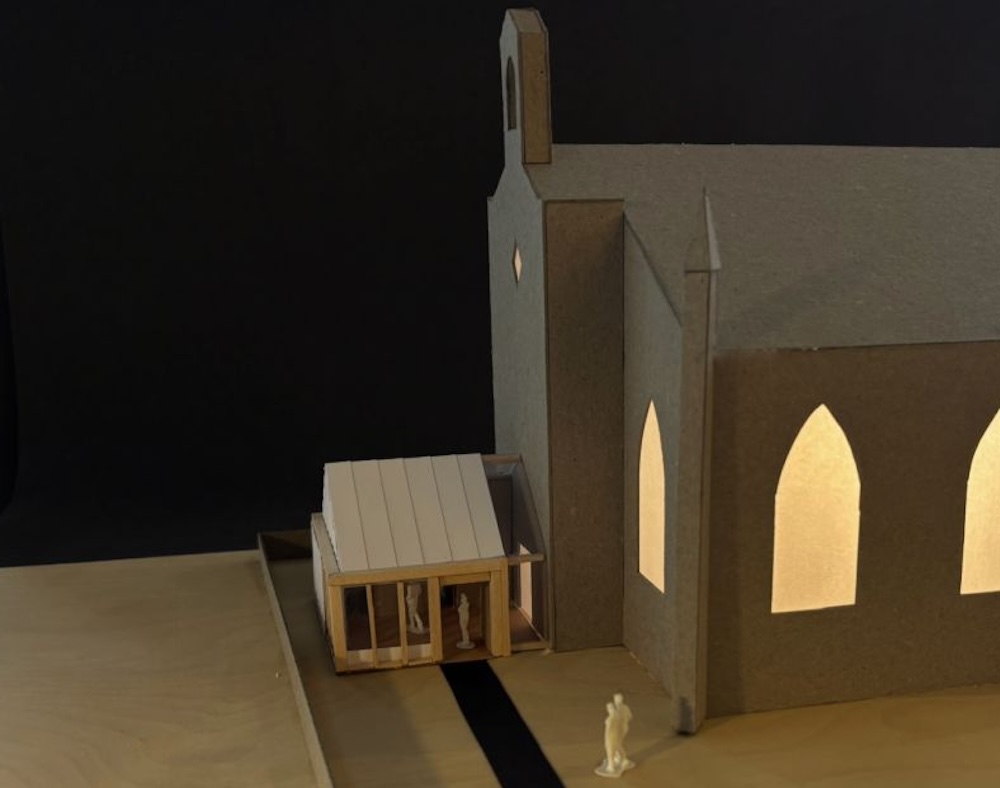
For our St Philip’s Church project, we commissioned a 1:100 scale model showing the existing listed church alongside the proposed extension. Crafted from timber and card, the materials were deliberately chosen to contrast with the solidity and weight of the existing structure. The model beautifully communicates the delicacy of the proposed intervention, helping us understand how this contemporary addition sits comfortably alongside the historic building. Small details, including 3D-printed scale figures, bring the scheme to life and help convey a sense of scale and proportion.

We also find physical models invaluable when communicating our proposals during the planning process. Architectural designs often need to be understood by a broad audience, including people without a technical background in architecture. A physical model provides an accessible and intuitive way to communicate scale, massing and context, allowing people to engage with a proposal in a way that drawings alone may not always achieve.
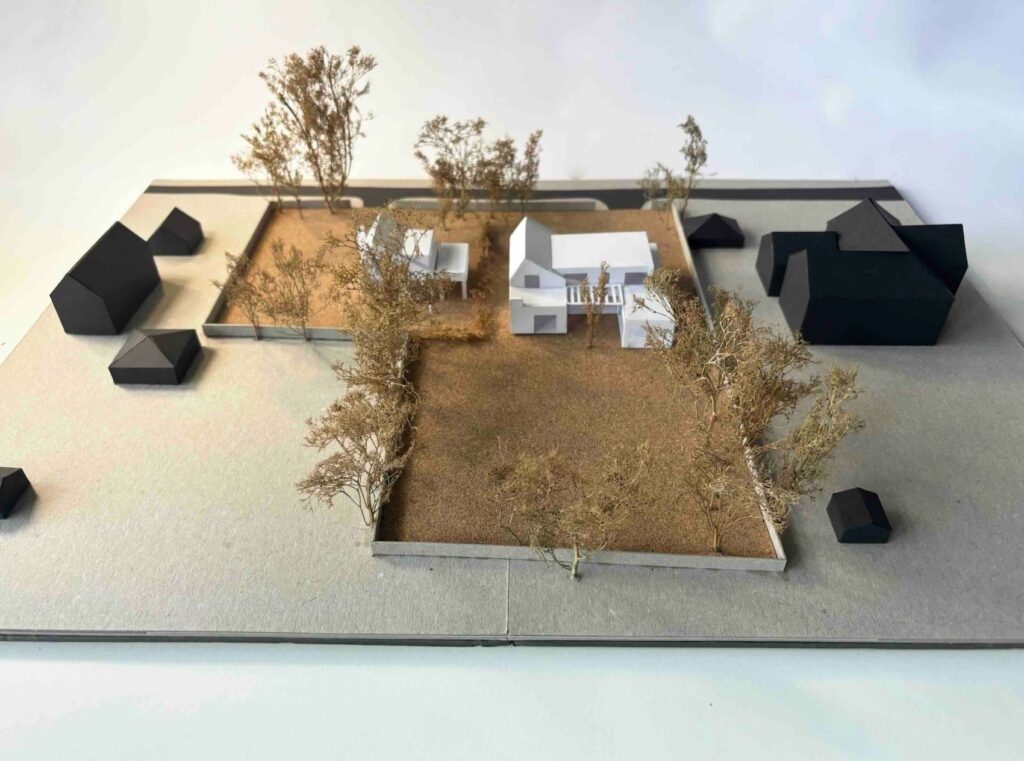
For our Paddock House and Paddock Gardens project, we commissioned a 1:200 scale model to illustrate the extended house and proposed new dwelling within the garden plot. During the planning process, the model helped demonstrate the scale and relationship of the proposed buildings, showing how the design had been carefully considered in response to the character and scale of the surrounding village.

As architectural visualisation continues to evolve, we see physical model-making as an enduring and complementary part of the design process. Beyond simply presenting a finished idea, models allow us to question, test and refine our proposals, helping us make more informed design decisions and communicate our intentions with greater clarity.

For us, the value of a physical model lies not just in what it shows, but in what it helps us discover along the way.
 

Planning submitted for two New Forest homes

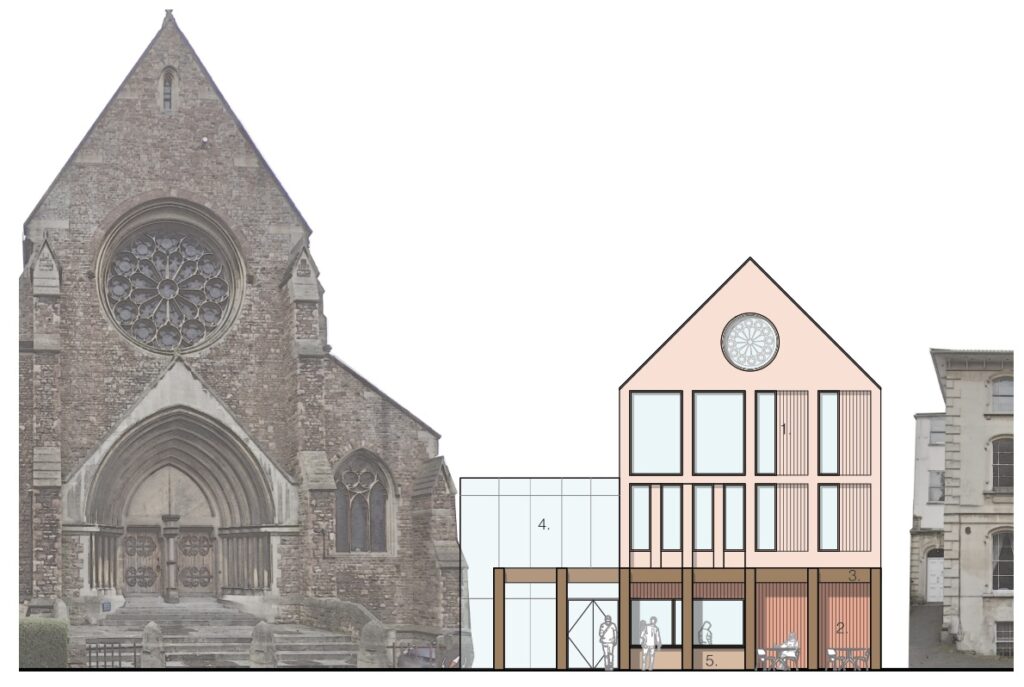
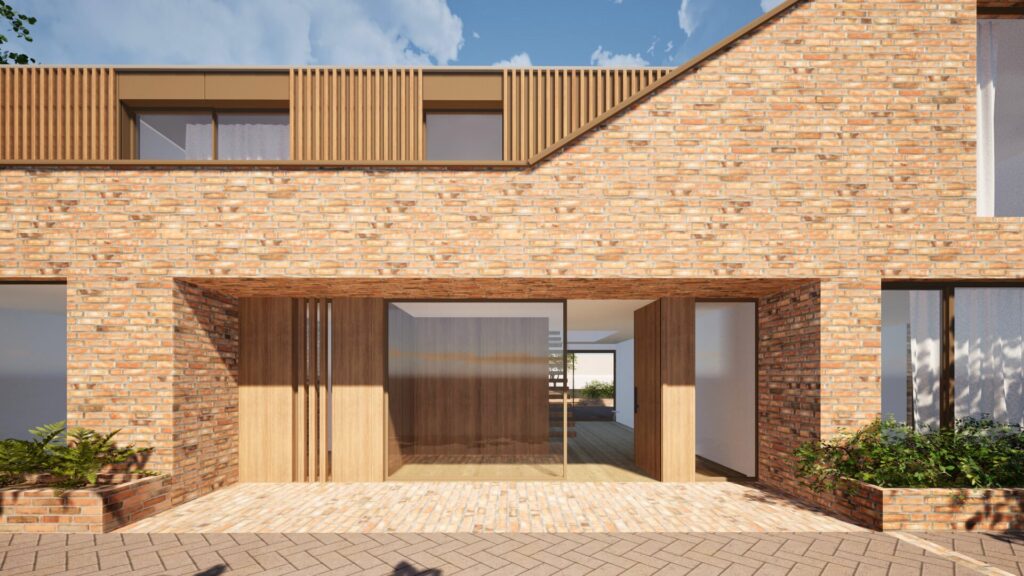
We have recently submitted planning permission for two new contemporary homes in the village of Brockenhurst, in the New Forest.

Paddock House and Paddock Garden will deliver two new independent homes. Paddock Homes is a replacement dwelling, delivering a low energy five bedroom family house. Paddock Gardens is a smaller new build, maximising the potential of the adjacent, and underused paddock field, to deliver a three bedroom home.

Our design responds to the rural setting, while also have carefully considered the plot ratios of neighbouring village homes in order to deliver contemporary, sustainable homes that are balanced and appropriate for the New Forest context, while also reaching the full potential of the site.

New Forest Building Design Award Win

We are so happy to have had our Brockenhurst House recognised in the New Forest Building Design Awards this year, picking up the award for Best Residential Project – our second award for this project to date!

Our project has reimagined the distinctive 1970s chalet-style home set on the edge of Brockenhurst village. Our design was guided by three key ambitions: improving spatial flexibility, enhancing environmental performance, and strengthening the connection between house and garden. The finished project has created a contemporary, sustainable, and accessible home, without compromising the architectural quality of the spaces.

The judges commented that the project had a ‘noteworthy combination of modern, forward-thinking ideas, which referenced the local vernacular in materials, and employed good green credentials.’

They went on to praise the project, which they felt was ‘in spirit of the government’s advice over embodied carbon, with retention over replacement, and showcasing a retrofit scheme on a more typical modern dwelling found within the New Forest’.

This would not have been possible without our wonderful and inspiring clients, and our hardworking team of collaborators who brough this scheme to life – congratulations to us all.

Courtyard House cladding update

On our most recent site visit to Courtyard House, we were thrilled to see the roof completed, the scaffolding removed, and the external cladding almost completed, marking another positive milestone in the construction phase.

The vertical timber cladding wraps the whole building, helping to blend the new structure into the rural setting. Two complementary timber finishes have been introduced to subtly break down the building’s massing and add visual depth.

The work is now shifting to the interior works, and we are very much looking forward to documenting how this projects continues to evolve onsite.

February Practice News

In this month’s update, we’re pleased to share our newly published Church brochure, early concept designs for two new-build homes within the New Forest National Park, and details of The Politics of Space lecture series, where Darren will be presenting.

Securing Church Buildings Through Design

We have recently published our first brochure dedidated to our architectural work focused on church buildings. As a design practice, we are passionate about working with these existing buildings, using architecture as a catalyst for positive change. Through our experience working with 20 + churches dotted across the UK, we have developed tailored design proposals for a wide range of denominations, settings and building types. We deliver designs that respond to each projects distinct challenges and opportunities, to bring long-term resilience to these extraordinary spaces.

Many churches share common concerns: reducing maintenance costs, unlocking the potential of their buildings and sites, improving usability, strengthening engagement with the wider community, above all ensuring the building can continue to support the church’s mission for generations to come.

View the church brochure here. 

Garden Plot Concept Designs, New Forest National Park

We are currently working with the owners of Paddock House, to explore the potential of redeveloping their site, to deliver a low energy replacement dwelling, and to create an additional new home within their generous grounds.

Our designs carefully respond to the rural village setting, while also considering the plot ratios of neighbouring homes. The aim is to deliver these two new house with a design that is balanced and appropriate for its context, while also reaching the full potential of the site.

View project details here.

RUAS lecture

Darren has been invited to present as part of Reading University, Architecture Society (RUAS) event ‘The Politics of Space’ on 12th March, 2026.

He has been asked to share his thoughts on how architecture reflects, and shapes social hierarchies. How design can impact accessibility, and inclusion across society.

As a current Studio Practitioner at Reading University, Darren is always keen to support the work of RUAS.

Get in touch to request the presentation slides after the event if you are unable to attend.

Build It’s Best of Self Build & Renovation

We’re delighted to see Brockenhurst House featured in Build It’s Best of Self Build & Renovation supplement, which showcases the award-winning projects from the 2025 Build It Awards.

Brockenhurst House was the winner of the Extensions & Renovation category. The judges praised the project for its beautifully detailed, fabric-first approach, highlighting how thoughtful design can be truly transformative, even within an average budget.

The scheme reimagines a tired 1970s property as a contemporary, low-energy home. Carefully tailored to support the owners’ needs, the design incorporates a high degree of flexibility, ensuring the house is resilient, adaptable and future-proofed for years to come.